The suitability of roof rats’ habitat for their high population density depends mainly on the availability of food and protective harborage. Good housekeeping and warehouse sanitation, reducing vegetation ground cover and vine-covered fences, and rodent guards on overhead utility lines can help control their numbers. Where legal and not hazardous, predators such as cats and barn owls may catch roof rats. Fumigants such as aluminum phosphide and gas cartridges can be used in and around structures or to fumigate entire warehouses of commodities.
Glue Boards
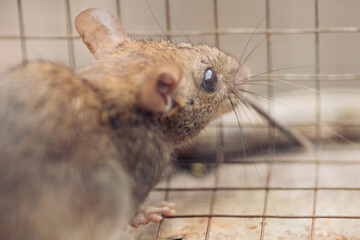
Glue traps (or glue boards) are small trays covered with an adhesive that prevents rodents from escaping. They are commonly used in homes and commercial settings to catch unwanted rodents. Despite being promoted as an effective Roof Rat Removal Texas method, glue traps cause extreme pain and suffering for animals. Those trapped may struggle for hours or days trying to free themselves. They can break bones or even tear off their own limbs in an attempt to escape. Eventually, they will die from exhaustion, starvation, or dehydration.
Besides rodents, glue traps can also capture other animals such as songbirds, bats, squirrels, hedgehogs, and fox cubs. Non-target species are often captured accidentally by hanging glue traps, which are indiscriminate. Trying to release these creatures from a glue trap is difficult and painful, and people who do so can also get injured. Those who handle animals stuck in glue traps can also become exposed to diseases, such as rabies, that rodents carry through their urine and feces.
To keep roof rats from entering the house, homeowners should seal holes, cracks, gaps, and nooks and crannies where they can enter. They should also remove any items that can attract them such as trash, pet food, or cardboard boxes. These steps can also help prevent other pests from infesting the home. For those who live in multi-unit buildings, they should urge their management companies to adopt an integrated pest management approach that avoids the use of glue traps. Moreover, residents can also support the effort to ban glue traps by avoiding them personally and urging others to do the same. In the event that a pet or wild animal becomes trapped in a glue trap, they should bring them to a licensed wildlife rehabilitator for proper care.
Snap Traps
There are several options for rat control without poison, including traps and other nonlethal methods. These home rat repellents involve little effort and pose no risk to children or pets in the house. They are not effective if you have an infestation, however, and are best used in conjunction with rodent proofing.
The simplest trap is the traditional snap trap, available in hardware stores and other outlets. The key is to carefully read the instructions and choose a trap that is suitable for your situation; there are separate traps for mice and rats. Place a small amount of bait, such as chunky peanut butter, in the trap and set it in areas where you have seen rodent droppings.
Be sure to check the traps on a daily basis and reset them. Rodents are neophobic and may avoid traps that have caught a companion. Also, a single mouse or rat can only be killed by one trap, so you will need multiple traps to eradicate large infestations.
Other effective rat control methods include rodent-proofing, practicing good housekeeping and facility management, and reducing vegetation coverage around structures. In addition, structural or commodity fumigation with materials such as methyl bromide and aluminum phosphide can be used to eliminate rodents in warehouses, truck trailers, rail cars, and other spaces.
Prevention is the best approach to eliminating roof rat infestations. Remove potential nesting sites by raking under trees and shrubbery, removing debris piles and brush cover, and pruning tall palms (especially those with fronds that can harbor rodents). In urban areas, consider xeriscaping. In agricultural settings, implement crop-management practices that minimize weeds and thick ground covers. In addition, use pesticides sparingly.
Live Traps
Unless you catch them, roof rats can continue to chew and gnaw through shingles, and enter your house, creating damage and leaving behind feces and urine. Rats can also cause damage to pipes and wires, causing fire hazards.
Roof rats can get inside a home through vent openings, through damaged eaves, and by climbing trees or poles to reach the rooftop. They may also sneak in through chimney gaps, which can go unnoticed for years.
These rodents can scavenge from garbage dumps, dumpsters, and landfills; feed on grain, fruits, and vegetables; and prey on domestic animals and birds. The most effective way to prevent them is by practicing good sanitation, including proper food handling and storage. It is also necessary to keep gardens, yards, and rooftops free of debris and weeds that provide shelter and food sources for rodents.
Snap traps are very effective against roof rats, as are baits like peanut butter and cat food. However, a lot of people have difficulty setting and maintaining these traps. Other traps, such as electronic traps, can also be effective against roof rats, but they are expensive and require regular maintenance to ensure they function properly.
In agricultural settings, weasels, owls, coyotes, and wild birds are effective predators of roof rats; reducing vegetation, especially vine ground cover, will help control populations as well. Weed and brush control is essential in areas where fruit and nut crops, such as sugarcane or macadamias, are grown. In some cases, soil fumigation with methyl bromide or zinc phosphide may be required to obtain effective control of roof rat populations. Tracking powders, which are useful in structural rodenticide applications, can be used against roof rats where label instructions allow.
Ultrasonic Devices
There are multiple brands of electronic devices on the market that claim to repel rodents using ultrasonic sound waves. These are plugged into electrical receptacle outlets and purportedly emit sounds that disturb pests while remaining inaudible to humans. Supposedly, this disrupts their activities such as gathering food, breeding, building nests, and communicating. The goal is that confused pests become frustrated and flee.
The problem is that while the ultrasonic frequencies emitted may bother rodents at first, they quickly adapt and become desensitized to them. Plus, the sound does not penetrate walls or furniture, so it only affects the immediate area surrounding a device.
In addition, the noise may cause inadvertent distress to household pets. Cats and dogs can hear ultrasonic frequencies, so the sound may actually frighten them. This can lead to an increase in anxiety levels, which may result in more mice and rats seeking shelter and safety inside homes.
Also, if a device is placed near appliances or fixtures that produce an electric current, the sound waves may interfere with their operation. This is called acoustical crosstalk. Banner Engineering has developed a solution for this issue by using an ultrasonic sensor with a filter that can suppress the output.
Although there are many products marketed to repel roof rats, they have been found to be less effective than traps and professional pest control services. For the best results, combine these methods with good sanitation and rodent-proofing techniques. Keep food in airtight containers, clean up spills promptly, and eliminate clutter where rodents can hide. Moreover, seal any entry points to the home with steel wool and caulk. This will help to keep pests out of the house and prevent them from spreading Salmonella, hantavirus, and other diseases in your home.
Lights
As their name implies, roof rats love high places, and they often invade homes in attics, crawl spaces, and other elevated areas. They scavenge for food at night and hide while sleeping during the day, so it can be hard to spot signs of infestation. Look for gnawing holes in wood, ruined food packaging, and tracks or pathways that show a rodent’s movement. Tracks may appear as clean routes through dirt or dust, about 3/4 to 1 inch wide. Grease stains or marks next to these tracks on walls are also indicative of roof rats.
The best way to evict roof rats is by preventing them from entering the house in the first place. You can use the three-tiered approach of Sanitation, Exclusion, and Baiting & Trapping to achieve this goal. Sanitation techniques include sealing entry points larger than 1/4 inch with steel wool and caulk, putting pet food and other foods in airtight containers, and storing trash cans and compost bins with tight-fitting lids. You can also remove outdoor clutter, trim tree branches away from the roof, and fix leaky faucets and pipes.
Exclusion methods include installing wire mesh and metal flashing to prevent rodents from chewing through pipes or ductwork. This can be a time-consuming process, as it is essential to make sure that the rodents cannot escape through holes or gaps. This is especially true in attics, where roof rats have a tendency to build nests inside insulation and electrical wiring.
Once inside, a roof rat can multiply quickly and do a great deal of damage. In addition to causing property damage, they carry disease and contribute to the spread of fires and other hazards. It is crucial to take action if you notice a problem, as every day that passes increases the amount of harm caused by these resilient pests.